Club Lights and Chaos – When Escapism Becomes Self-Destruction
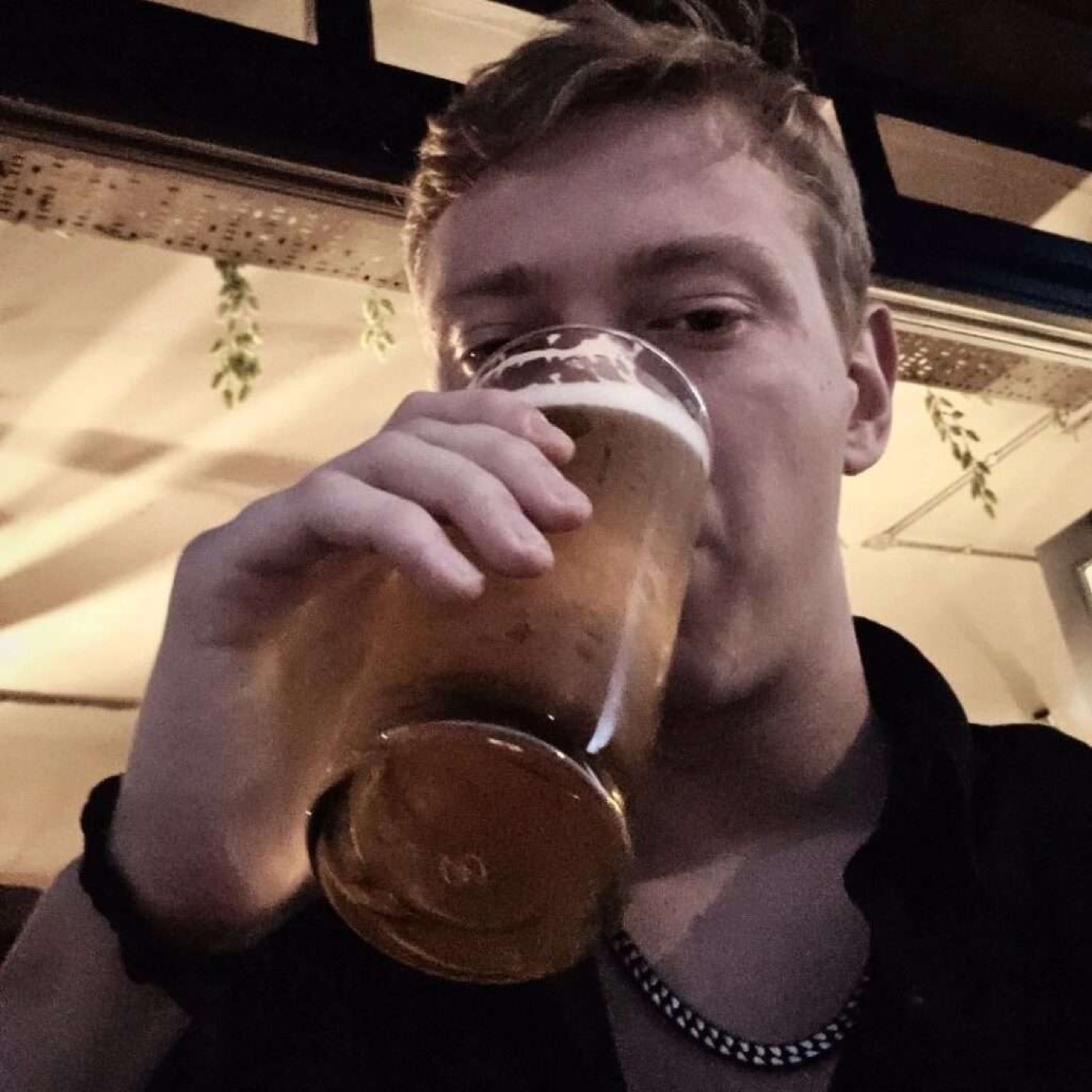
Just a quick one; This is probably the first and last time I’ll put a trigger warning on one of these posts; and I’m not oblivious to the fact that this is incredibly off-piste for the nature and topic of this blog; those of you old enough will be able to sense the ghost of my early and cringy 2010s Tumblr–despite this, it’s a personally significant, and possibly useful story of what happens when it all goes wrong. There will be talks about depression, suicide, self-medication and so-fourth throughout. So, with that said, you’ve been warned.
For a while, my life was moving at breakneck speed, and in no particular direction – until it hit a brick wall. It was a long time coming; I’d been warned and failed to act in my own best interest. I was drowning my sorrows seven days a week, feeling all too sorry for myself, and using clubbing, drinking, and whatnot as a way to escape the stress and pressures of prior ‘trauma’ (I hate calling it that), as well as recent personal events, and everyday life. Nights blurred together, then weeks, then months, and I was unable to remember anything from the night before. It was never going to end well.
After what one might describe as a mental breakdown, and one hell of a car crash that I was incredibly lucky to survive, let alone walk away from, I knew it was time to do something before I lost my mind completely, or my life.
Screws fall out all the time, the world is an imperfect place.”
– John, The Breakfast Club
If I’m totally honest, I’m not sure I was initially very happy I was still here. Things had gotten bad. Even now, I’m not entirely convinced I deserved to walk away.
When Brandon Novak was recovering from a serious drug addiction, he said this;
I’ve been shooting heroin to forget about all my problems, so not only am I overcoming the biggest fight of it all -which is quitting heroin- then I have to deal with all the problems that I’ve been avoiding and putting off by getting high for six years.
My situation was obviously (and thankfully) nowhere near as extreme, but the sentiment resonated with me deeply. I realised I had started using something I loved, this party lifestyle, as a similar ‘drug’ to avoid thinking about and confronting my issues. Those who know me may have recognised a rather dark thousand yard stare into the void as I sat in VIP, or a significant lack of participation or interactions. It had become an oddly fitting place for pathological rumination. I went more, drank more, but it wasn’t working anymore. I would spend days awake, out every night, often without eating. At one point I think I spent three or four days awake until I was hallucinating. I’d go out all night, come back in time for the day job, then go back out after a quick shower and change of clothes.
I was killing myself in slow-motion.
“The happiness of your life depends upon the quality of your thoughts.”
– Marcus Aurelius, Meditations
So, I made a decision that felt both scary and necessary: I disappeared; from the scene, Cambridge, and people outside my support network for six weeks.
I’ll be clear, while I didn’t drink or go out all but once during this time, apart from a short lived party in Skiathos, it wasn’t a breakup with parting and late-night culture, or indeed responsible drinking, I stayed very much involved with NLC and planning the Momentum rebrand and Freshers week. After all, Clubbing is a cornerstone of UK Culture. This was however a breakup with abusing it, as a way of numbing some pain. Moderation, balance, and self-care had been hurled out the window before, and it was time to let it back through the door. I had a debt to pay to myself that had be accruing interest for months, even years. Letting go for a while became an obvious choice.
So that was it, no more nights spent in packed-out clubs, no more abusing alcohol (or anything else for that matter) as a temporary fix. I stepped away from it all, it was time I faced my internalised problems head-on instead of running from them.
Here’s what my time away taught me.
Isolation caved in, I adore you, the sound of your skin
Recognising the Escapism
Clubbing and drinking had become my go-to methods for escaping reality. Drinks, club nights, cheap thrills— it had all become an attempt to push my problems to the back of my mind, but those problems were always waiting for me the next morning, and i dreaded them more than a hangover. The night before had often made my problems worse, much worse. A self-destructive cycle.
I had lost all sense of moderation and control. What started as occasional nights out either to ‘work’ on NLC or to see some mates turned into the persistent seven-on/zero-off pursuit of numbness. The club lights, night life – the pounding music, sea of nameless, faceless strangers, and less-than-romantic overtures— the chaos-in-dark of a night out is what I craved because it was an outward reflection of what was in my mind, it was comforting to see the world as dimly lit, chaotic, and numb as I was. But when birds chirped and my sickening phone alarm went, I was left with the same unresolved issues I had tried so hard to escape.
I realised that I wasn’t just escaping reality; I was running from myself. Every drink, every dance, every night spent trying to drown demons was only delaying the inevitable— facing the truth of what I had become; I’d catch a glimpse of myself, and I wasn’t proud of who I was anymore, and it didn’t leave much for anyone to be proud of either.
The thrill of the night fades, but the emptiness, guilt, and loneliness linger.
I knew something had to change. I had to confront the things I was avoiding, the pain that drove me to self-destruction. It wasn’t easy, and it certainly wasn’t instant, but I started to pull myself together. Being away meant I had to find healthier ways to cope. It took time, support, and a lot of self-reflection, but slowly, I started to regain control of my life.
Club lights, we fight every night. Baby, I don’t want to do that.
Getting help
Reaching out to people in my support network and letting them know that things were not okay was the first thing I had to do. Conversations with friends and family and opening up about what I was dealing with went hand in hand with starting to look after myself. I came clean about personal struggles and old situations I’d been struggling to overcome, and the impact it was having on me. The most interesting part of this process was how obvious it was to everyone else that I was abusing my lifestyle as a means of escapism. It dawned on me people had seen this coming for a long time, but couldn’t help me as I didn’t want it. If I’m honest, I saw it a long way off too; I distinctly remember conversations with people about leaving for a while, maybe going to Majorca where I used to holiday as a kid – I wanted to disconnect, and now I needed to.
When I fessed up to everything that was happening inside my head it was relieving, like a pressure had been taken off my chest. The anxiety, sleepless nights, and intrusive thoughts of suicidality that came with depression started to weigh on me less—and much faster than anyone could’ve expected. I think that was a result of and opening up to people, or medication, or both.
I think when you reach out to anyone who’s not been through what you have, or maybe aren’t as involved in whatever lifestyle you might have, they see things as a little less granular; it’s either a hundred percent awful or not a problem at all. I struggled with this for a while, trying to pinpoint exactly ‘how bad it was’. Trying to convince people you’re not, say, suicidal or an alcoholic is exactly what someone who is suicidal or an alcoholic would do, so any attempt to provide my perspective on that was futile, but it didn’t matter. The same help and mental re-alignment was needed regardless of if it was a full-blown addiction, depression, or just drowning sorrows.
Therapy, medication, and relocation is what was needed. After asking for help, all three happened within a day, if not hours. Friends and family were ready to help as soon as I gave in and admitted I needed it. Oddly, they had been waiting for me to ask for help. My state was more obvious to those around me than I thought.
It’s my time, baby, and I’ve gotta go now
Losing people along the way
Self-destruction only pushes people away.
This is not a movie, people do not run towards bombs in an attempt to defuse them right before they go off.
Those who love you do not want to see you spiral, and those you love will not be there to watch you fall, it hurts them too much. They should not have been there, I shouldn’t have put them through that.
Some tried to reach out, to pull me back, but I was too far gone to listen. Their concern felt like judgment, their advice like an attack. I had convinced myself they didn’t understand me, they didn’t care, or they were manipulating me, and that they were the ones changing. I became cold, judgemental, and lonely.
When I left I saw a noticeable shift in people who I’d speak to from Cambridge. Some old friends who I hadn’t spoken to in years became close again and helped me with a lot of what was on my mind. I found refuge in talking to people about life. But the distance I had created with those closest to me during recent months wasn’t such an easy to bridge. The damage had been done, and I couldn’t expect to step back into their lives as if nothing had happened. Some relationships had frayed beyond repair, they were likely gone forever.

I had done a lot of damage to myself, but I’d done damage to those close to me as well. I’d maimed relationships and friendships in my own selfish and reckless pursuit of numb.
Yet reconnecting with old friends from a couple years or so ago, especially those from Cambridge, felt like a lifeline. These were people who knew me before everything had gone so awfully wrong, who remembered the version of myself I was trying to find again.
Talking to them was like re-discovering parts of myself that I had buried under layers of denial, apathy, and escapism. They didn’t judge me for where I had been, but they also didn’t let me wallow in it. Their honesty was refreshing, their support invaluable.
I’m here, I’ll always be here.
Tell me if you need me,
and call me if you feeling alone.
The fault in caring
In what may initially seem juxtaposed to the previous; A disproportionate chunk of me was dedicated to caring for other people, I was consistently and obsessively concerned with the safety, security, and wellbeing of those closest to me, to the edge of paranoia. This was probably the remnants of my security and wildlife protection careers– some symptom of C-PTSD. I’d sit awake all night next to my partner watching the door incase some imaginary demons came to hurt her. Hell was knocking on the door, but only in my mind. Towards the end I had given everything I had left, and there was no concern for myself, no room for self care, and no place for help. I volunteered myself to get damaged in an attempt to help others.
I had stretched myself so thin that I became a shadow of the person I once was. My own needs and well-being were buried beneath exhaustion as I constantly tried to prioritise everyone else, often beyond any rational need. I told myself that this was what it meant to love someone—to give until there was nothing left to give, and nothing left to love. But in reality, I was running on empty, it was a matter of time.
The irony was that, in trying to be everybody’s everything, I became nothing for myself. I was so consumed with ensuring that everyone else was okay that I didn’t realise how much I was falling apart. My health, both mental and physical, started to deteriorate. I was perpetually tired and on a comedown, emotionally drained, ate awfully, and became increasingly resentful, though I didn’t want to admit it; I was so bitter. I felt like I was drowning, but I was too proud—or maybe too stubborn—to reach out for help.
Not only was there no room for self-care; I had convinced myself that I didn’t deserve it. I thought that taking time for myself was selfish, that my value was solely what I could do for others. I didn’t realise that in neglecting my own needs, I was actually doing a disservice to those I cared about. How could I truly support them when I was barely holding myself together?
Eventually, I hit a breaking point. I had nothing left to give, and the people around me could see it, even if I couldn’t. Some were concerned, urging me to focus on myself. Others were frustrated, overwhelmed with the strain of my constant self-neglect. It took awhile for me, but after leaving I began to understand that caring for myself wasn’t an act of selfishness— it was necessary if I wanted to be there for the people I loved in the long term.
I had to learn the hard way that you can’t pour from an empty cup. Self-care isn’t a luxury; it’s a necessity. I started to make small changes. It wasn’t easy, and it didn’t happen overnight, but slowly, I began to replenish what I had lost. I began to find a balance between caring for others and caring for myself, realising that both were essential to living a healthy, fulfilling life. Only then can you offer the kind of support and love that is sustainable and genuine.
Looking back, I realise that those I lost along the way gave me the hardest lessons I had to learn, but the most important.
My heart can’t take this damage
Confronting the Silence
When I stepped away from the chaos of my life, I was met with something I hadn’t experienced in a long time: silence.
Without the constant noise of clubs, the numbing effects of whatever, or the endless stream of distractions, I was left alone with my thoughts.
It was terrifying.
For so long, I had been running from that silence. I filled every waking moment with something—anything—to avoid the quiet, because in the quiet, the intrusive thoughts I’d been burying came rushing to the surface. The self-doubt, the fear, guilt, the neglect—they were all there, waiting for me, and now there was nowhere to hide.
Confronting this meant confronting myself. It meant facing the person I was so ashamed I had become and all the things I had been trying to escape. The silence wasn’t just the absence of sound; it was the presence of everything I had been avoiding. In the quiet, there was no more running, no more distractions, just me and the reality of my situation.
It was overwhelming. The stillness made me feel exposed, vulnerable, it made me sick. I wanted to retreat back into the familiar noise, but I knew that if I did, I would just be delaying the inevitable. I had to sit with discomfort, and invite it over for dinner. With silence, it let me reveal what I had been so desperately trying to ignore.

I began to process the emotions I had been pushing down for so long. The sadness, the anger, the regret—they all surfaced, and I had to confront them head-on. It was painful, but it was also necessary. The silence forced me to acknowledge the things I had been running from, and in doing so, I started to understand why I had been running in the first place.
Slowly, silence became less of an enemy and more of a guide. Like the club lights cut through the dark, rays of light shone upon me and began to illuminate the parts of myself that needed healing, the wounds I had been trying to numb. The warmth began to heal. I taught myself how to be alone with my thoughts without letting them consume me. In the quiet, I began to find clarity, and with clarity came a sense of peace that I hadn’t felt in a very long time.
He heals the brokenhearted, and binds up their wounds.”
– Psalm 147:3
Confronting the silence was one of the hardest things I’ve ever done, but it was also one of the most important. It allowed me to reconnect with myself, and to face my demons and take lethal aim at them. The silence was no longer something to be feared; it became a space for reflection, for healing, and ultimately, for growth. It was in that silence that I began to rebuild, not just my life, but myself.
May God bless, and keep you always
May your wishes all come true
May you always do for others and let others do for you
May you build a ladder to the stars and climb on every rung
and may you stay
forever young
Forgiveness. Rebuilding.
After stepping away from everything, I knew I needed to rebuild my life from the ground up, but with a focus on mental fortitude and a renewed appreciation for the life I was given. It wasn’t about creating new routines; it was about finding peace with the past and learning to truly value the present, and work towards living a life I’m proud of. A big part of that was letting go of the suffocating anger, resentment, and torment I had been holding onto for far too long.
One of the most important steps in this process was learning to forgive— not just others, but myself as well.
There were people I’d been mad at, people who I felt had wronged me, people I’d felt betrayed by, and I had let that anger and disappointment fester and build up, manifesting itself in ugly ways. But as I took a step back, I realised that holding onto those grudges was hurting me, and that much of this was misplaced, I had seen them through a muddied lense. Forgiving them and empathising wasn’t just about understanding; it was about freeing myself from the negativity, and cleaning this lense, uncovering my precious memories.
These weren’t people who had been evil all along, or even evil at all– time had passed, and healed my vision.
These memories, this gift handcrafted by God.
Get rid of all bitterness, rage and anger, brawling and slander, along with every form of malice.
Be kind and compassionate to one another, forgiving each other, just as in Christ God forgave you.”
– Ephesians 4:31-32
While I forgave others, I realised that the hardest person to forgive was myself. The expectations I had set, the mistakes I couldn’t seem to let go of, and the constant, dark, rumination of past decisions created a concoction of self-judgment. It wasn’t until I started to truly ponder this, that I learned forgiving myself wasn’t about forgetting or excusing—it’s about recognising my humanity and imperfection. Forgiving myself in itself is a journey I am still on, I think will be for some time, but I’ve found the grace to rebuild with humility and just a little hope.
I’m eternally grateful, even for those I lost along the way. I wish nothing but the best–I hope the thought of me brings no discomfort, and that your memories, like mine, have softened with time, and you find peace and comfort in them.
I hate it when you’re not around, and the fact that you didn’t call,
But mostly I hate the way I don’t hate you, not even close, not even a little bit,
Not even at all.
– Kate, 10 Things I Hate About You.
At the same time as forgiving, I found myself reigniting some old passions, running a little here and there, and diving back into Nightlife Cambridge, but with a fresh perspective. I wasn’t getting back into the old habits that had dragged me down before. Instead, I started focusing on the creative side—planning club nights, working on the Momentum rebrand, and getting ready for Freshers Week–business, business business. This time, I wasn’t just organising events to keep busy; I saw them as opportunities to bring people together in meaningful ways.
I even thought back to the slightly inebriated college proposals and legitimate marriage proposals I had witnessed at events over the years, and I realised again that this industry had always been about more than just getting wasted. It was about creating moments where people connect, celebrate, and sometimes even start new chapters of their lives together.
It occurs to me while writing this that the most meaningful relationship and friendships I’ve ever had started with a ‘hi’ at a Mash and Lola Lo’s. That was the part of nightlife that I wanted to pour myself into and help provide for others—something that meant so much more.
The discipline I was building through this process started to influence everything else in my life. I began each day with a more focused, more useful mindset with gratitude not just for the big things, but for the small, often overlooked moments that make life rich. I was eating better, sleeping more, and generally feeling like I had my head screwed on straight for the first time in a while. As I let go of the anger and started to heal, I found myself feeling lighter, more at peace, more in control. Each evening had a routine as well, I’d do some skincare, read or listen to a book, plan the next day; But most notably I’d sort of pray, despite not being even remotely religious. I’d pray for those I care about and ask for the pain that I’d caused them while I spiraled to somehow be eased, as well as their health, and that they find peace, understanding, and come to recognise the care and love that exists in the spaces where lives once collided.
Something that surprised me most was how much I started to enjoy the process of running NLC. The things that once felt frankly like a chore to keep it ticking over, like planning events or just getting out of bed to run the damn thing, began to feel like something I actually wanted to do. It was like I had found a new balance—still involved in the nightlife, but in a way that was healthy, but most importantly meaningful. These habits became the new foundation I needed to get my life back on track, helping me rebuild a life that was grounded in gratitude and free from the weight of the past, while still acknowledging it. And that’s what’s keeping me steady as I move forward.
Returning to Cambridge
As I write this, it’s the day before I move back to Cambridge. I’m nervous, but excited. I’m looking forward to all the friendly faces I’ll see. I want to build a new chapter in my life, and help craft the next chapter for Cambridge nightlife.
The bags are packed, and I’ve got a new place lined up. I’m feeling a mix of nerves and excitement as I prepare to head back to Cambridge. There’s a lot of uncertainty—about the bridges that might have been burned, and the judgment I might face. But more than anything, I’m eager to see the results of all the hard work I’ve put into Momentum over these past few weeks. Moving in right before the big rebrand with a new logo and a fresh burst of passion feels like the perfect way to kick off this next chapter.
Returning to Cambridge is like walking back into a familiar, yet somehow different world. I’m looking forward to reconnecting with old friends and forging new bonds, all while keeping the lessons I’ve learned close to my heart. This time around, it’s not about losing myself in the nightlife but about creating something meaningful and positive, while enjoying it all.
I know it won’t be easy. Some relationships might need time to heal, some may not heal at all, and not everyone will be ready to see me post-“finding myself” again. But I’m prepared to tackle new challenges with a sense of determination and a clear sense of purpose.
As I step back into the nightlife scene, and step back into the helm of NLC, I’m bringing with me a commitment to indefatigable determination, but with balance and self-care. True success isn’t just about what’s visible on the outside, whether it be bottles in VIP, nice cars or admiration, but also about the internal growth that supports it and the external aims to represent. I’m excited for what’s ahead and ready to embrace it with open arms, knowing that this new chapter is about more than just moving forward—it’s about making every moment count.
Conclusion. Closure.
As I step into this new phase, I’m reminded that real change is a constant journey. I’m ready to face the challenges and embrace the opportunities that lie ahead. This transition isn’t about reestablishing myself in Cambridge but about redefining what fulfillment means to me.
I’m also hopeful that my return will bring a new energy to the Cambridge nightlife scene—one that reflects not just the vibrant fun we’ve always enjoyed. I want to contribute to an atmosphere that’s not just about escapism but also about genuine connection and celebration.
Here’s to new beginnings, fresh starts, and the exciting road ahead. I’m ready to reconnect, and to bring a renewed sense of purpose to everything I do. Thank you to everyone who’s been part of this journey so far. Your support means more than you know, and I’m looking forward to starting this next chapter.
The name of this company is Nightlife Cambridge. In life there are ups and downs, the highest of highs and lowest of lows.
There’s nothing wrong with a good night out. It’s healthy, fun, and a great way to blow off steam and spend time with friends- with or without a drink.
Ultimately, there isn’t a shred of blame to be placed on anyone but myself for this story. Not a club, promoter, pub, brewery, group, organisation, or person should feel burdened with responsibility for what ended up happening.
Myself, my family, and those I truly love all got hurt during this time. Regardless of my efforts I would not be able to prevent it happening again if it was not for the lessons I learned along the way, and these lessons I will surely use to guide me in future tribulations.
In life you have challenges and hard times. Some you will not have the skills or emotional ability to overcome easily. You will however, with some perseverance, get through to the other side. You may be battered and bruised, laden with scars and other evidence of battle, but you will get through it. Scars should serve as reminders, not of trauma, but of your ability to overcome.
The wound is the place where the Light enters you.”
– Rumi
I hope by sharing this experience I can help someone who’s in a similar situation, and maybe provide some comfort, and some closure to those who bared witness to it.
Your bravery does not exist without fear; it exists because of fear combined with your ability to get up and do it anyway. That is bravery.
Face your battles, you are stronger than you know. Live to party another day, cherish every moment. You never know what’s around the corner.
You are loved.
You might just be someones gift from God.
–
If you’re going through something, or would like to ask anything about this, the Nightlife Cambridge DMs are open, but We’re anything but therapists; If you need help, reach out to 999 in an emergency or a mental health charity.
Originally published on Nightlife Cambridge, 20 September 2024.